
SuperLab
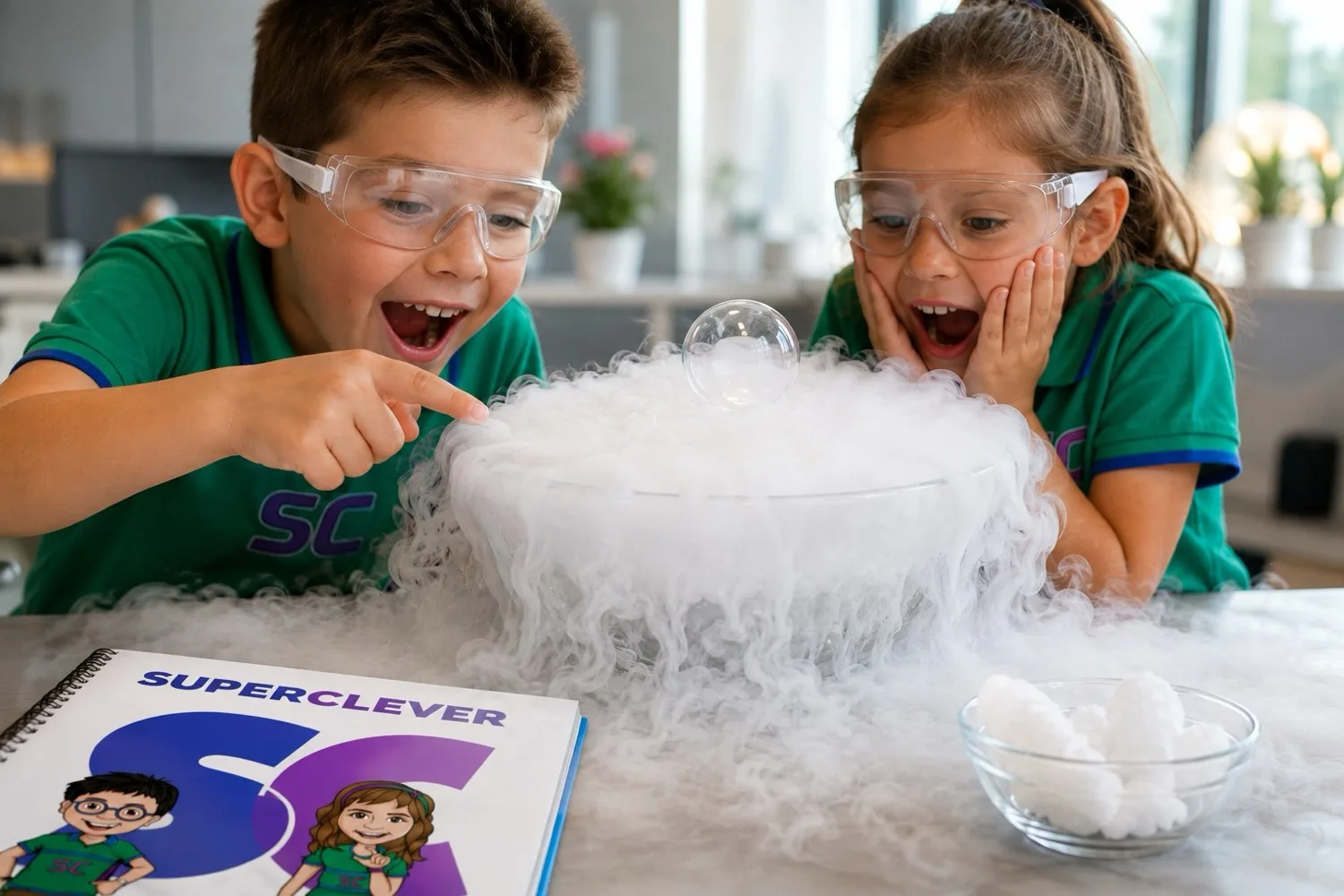
Science you can touch. A rainbow on a plate, a volcano that erupts, slime that stretches, a Sun that really glows — 54 experiments children run with their own hands, then draw, write and answer questions about in their own workbook.
What children do
Science you can touch
Children do not listen to science — they run it. They mix, measure, get it wrong and try again, and only then get the explanation. That is why it sticks.
Chemistry
What happens when two ordinary substances meet and something new appears. Children learn to spot the change, describe it and predict the next one.
Physics
The forces we never see but always feel — pressure, heat, density, magnetism, light and electricity. Always through something a child can hold.
Biology
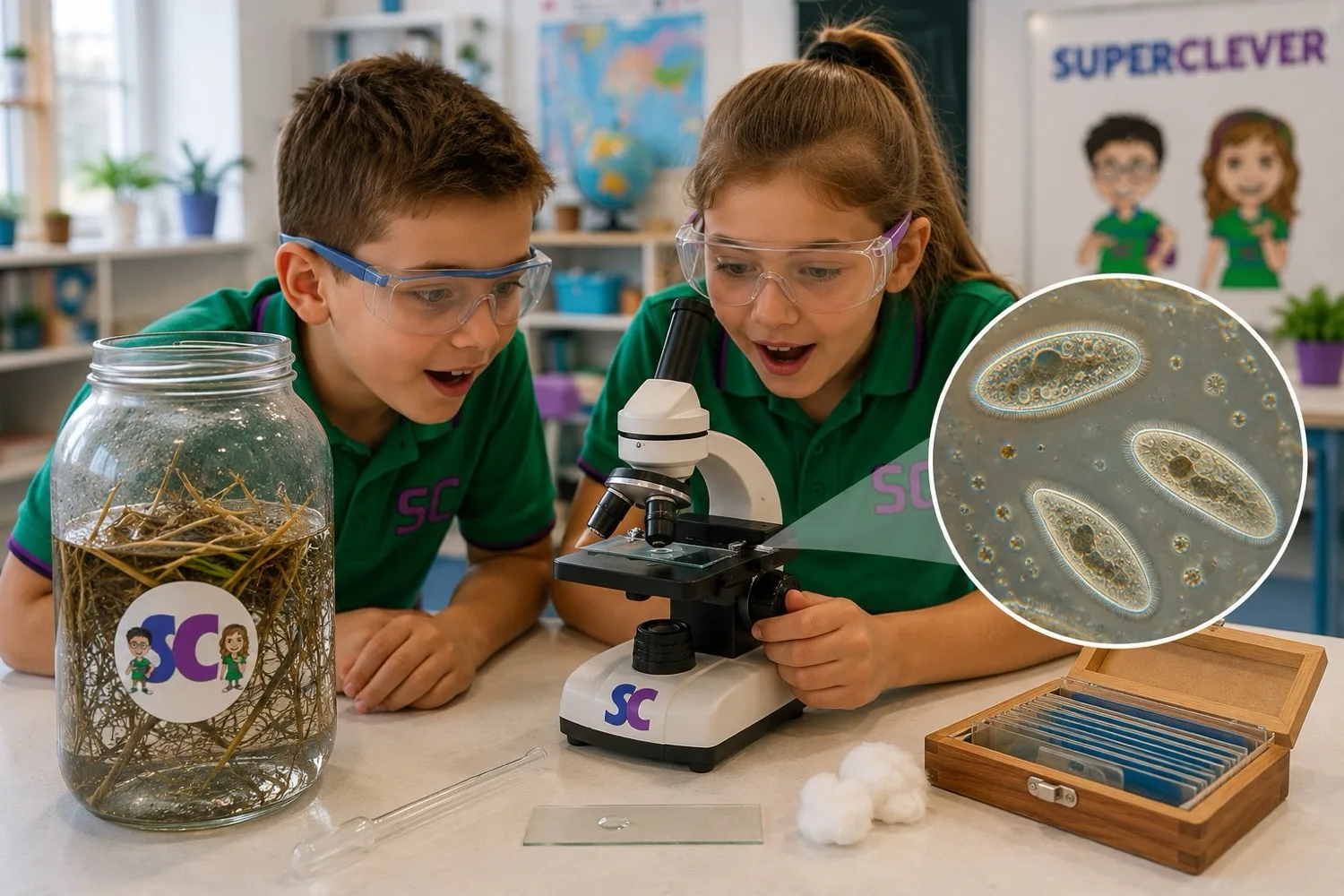
From a drop of water under the microscope to what hides in everyday food. A first encounter with real observation and record keeping.
A curriculum, not a random collection
The experiments build on one another across the whole year — a child first grasps the basic rule, then applies it to a harder task. Every centre receives the full year plan, and parents can ask to see it.
From our classrooms
This is what it looks like
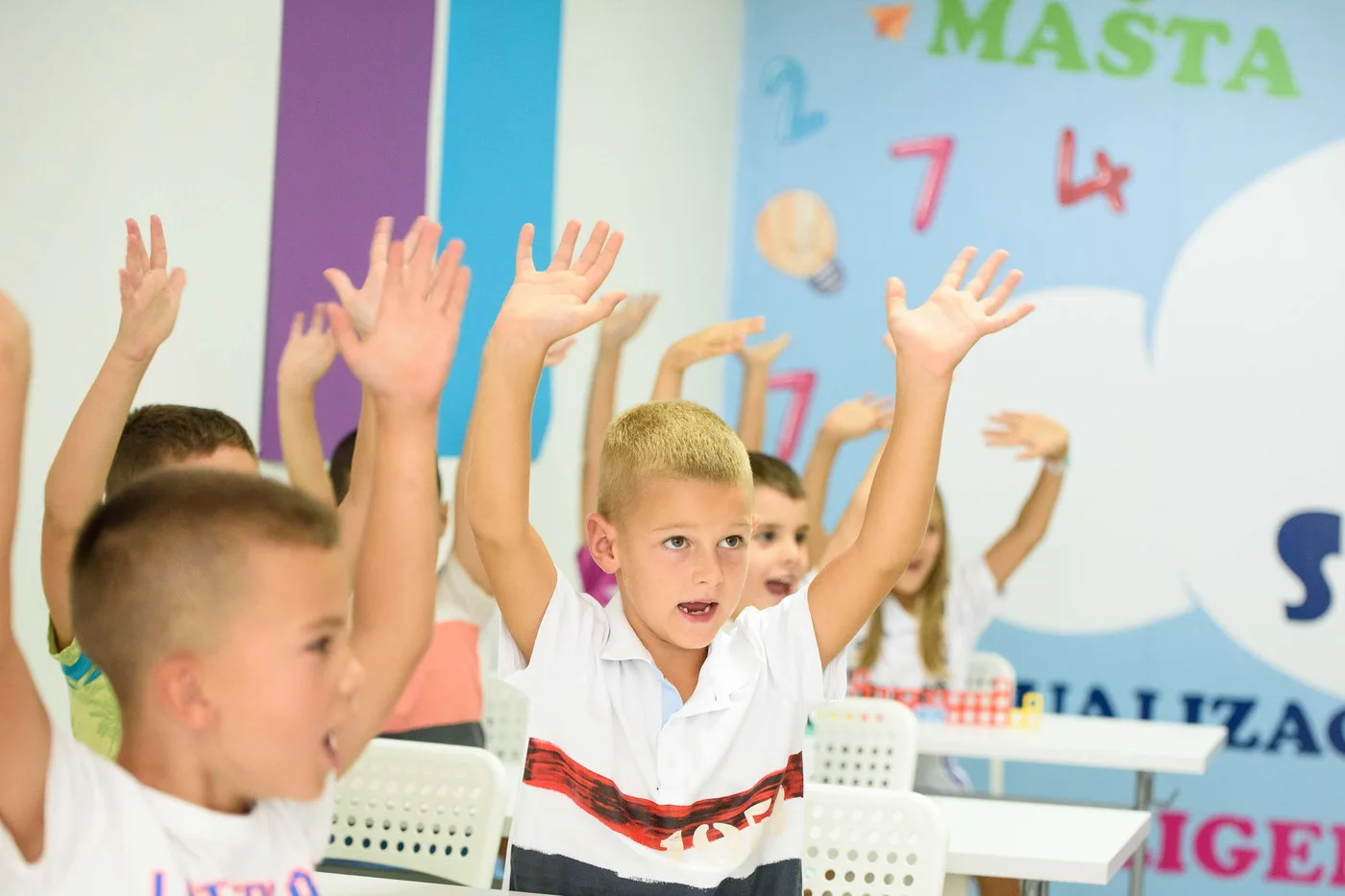
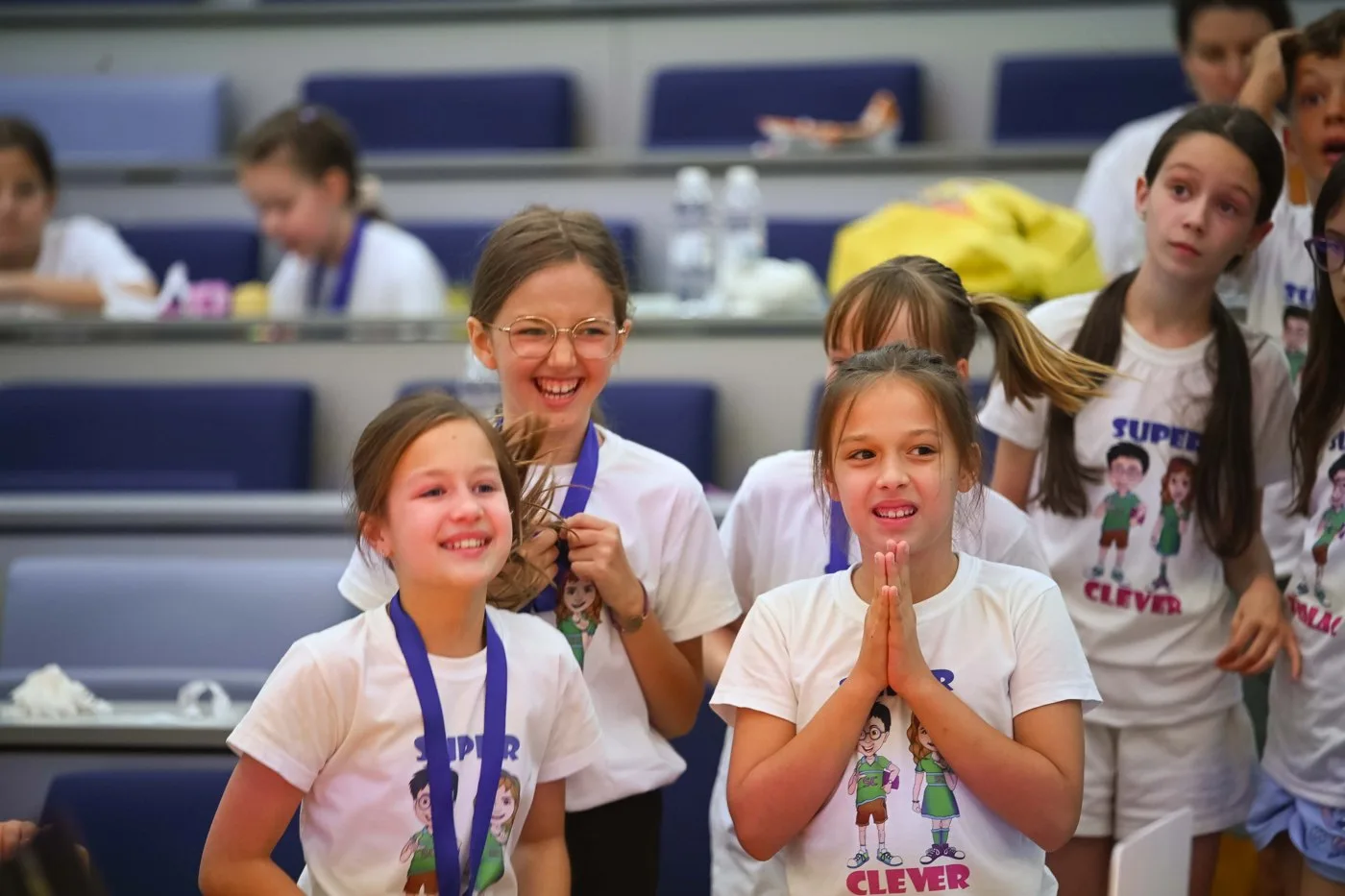
Photos from our classes and from the International SuperClever Olympiad.
Their own book
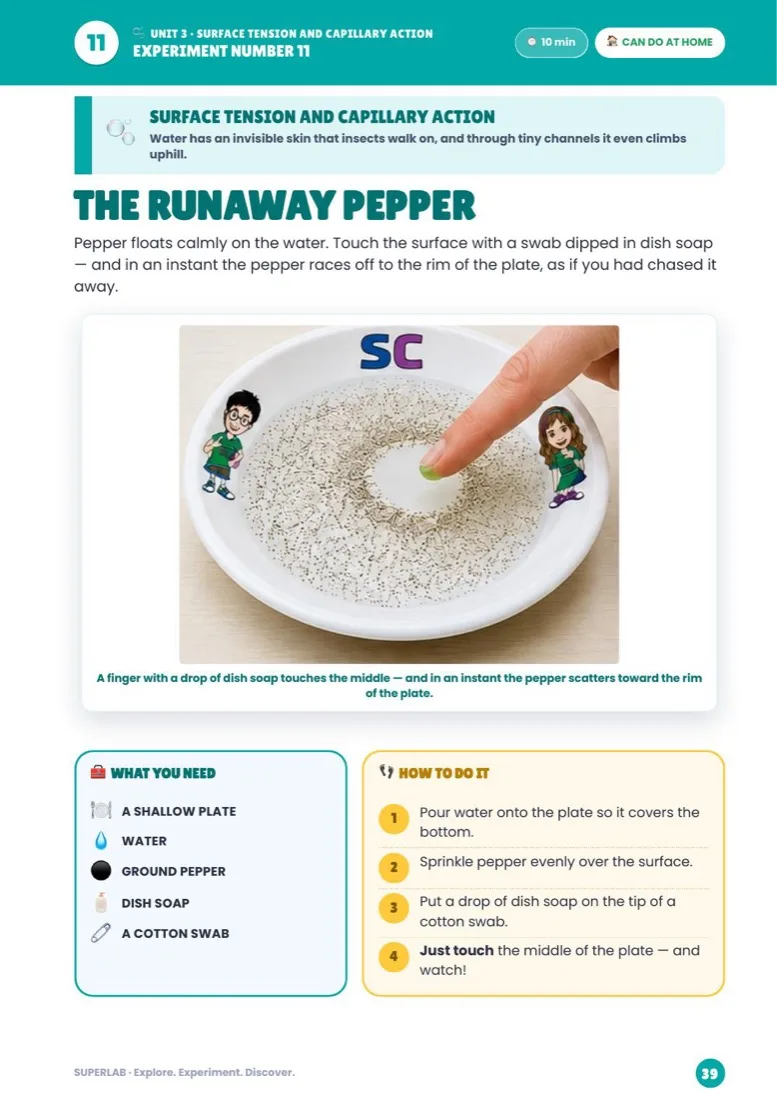
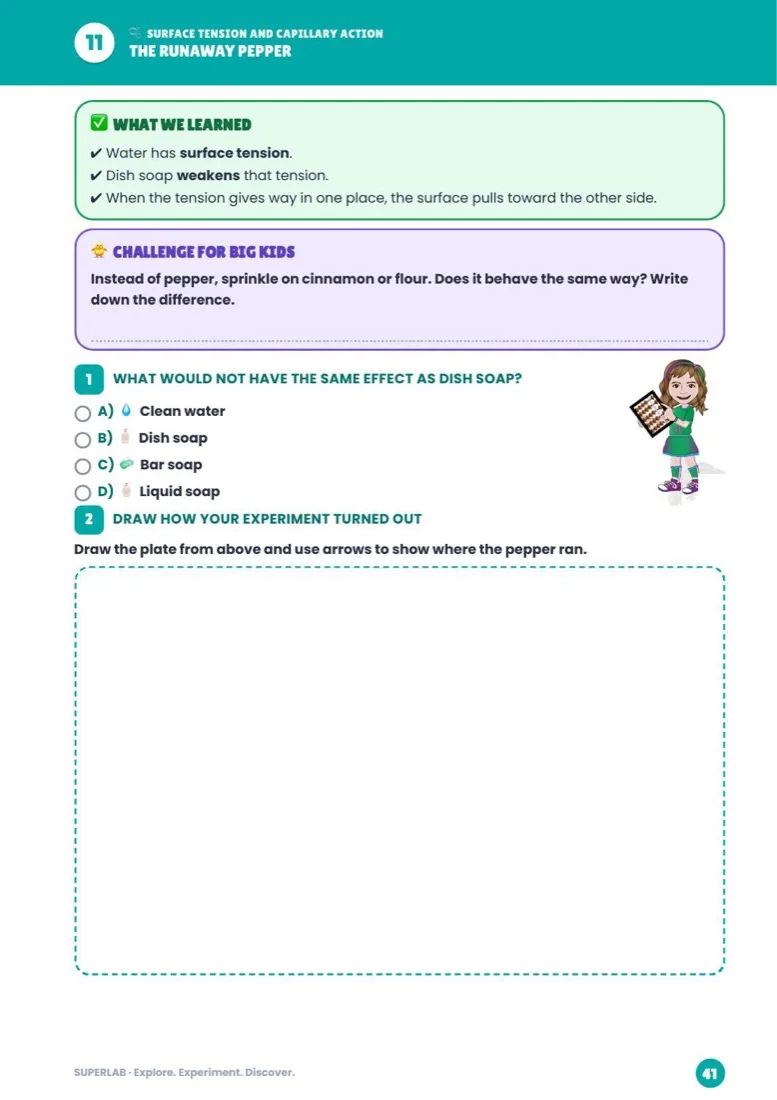
Every child gets their own book and workbook
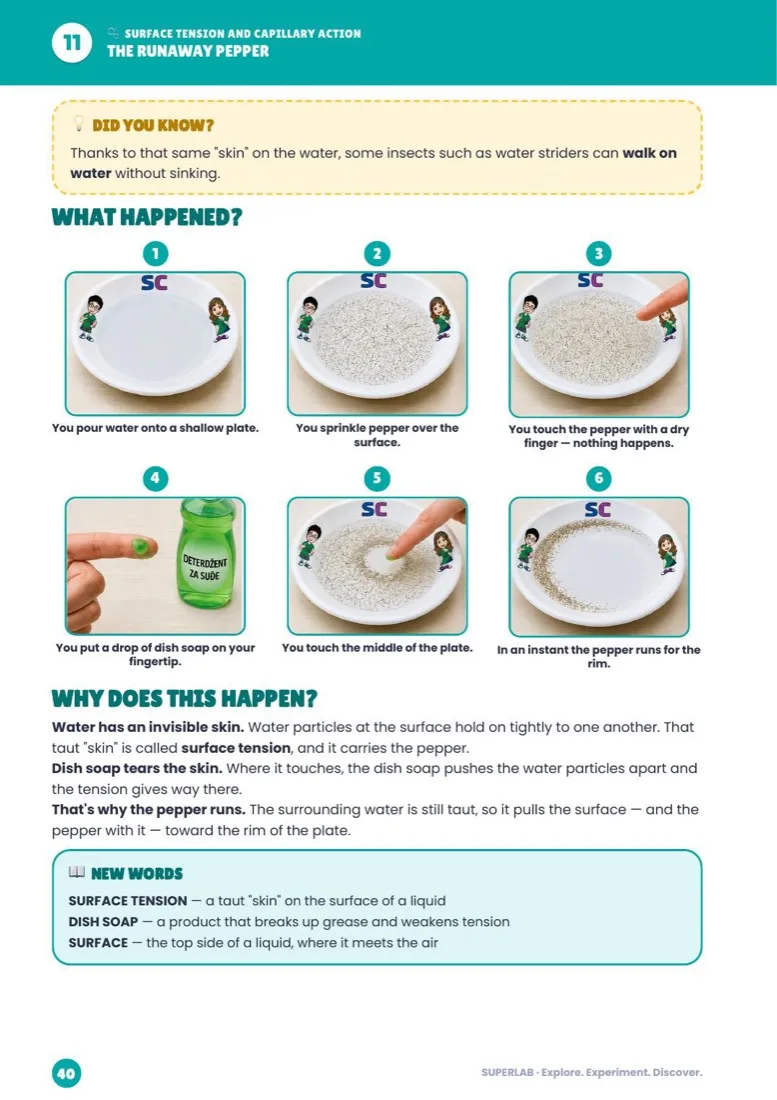
Not a photocopied handout. It is a 180-page book the child signs on the first page and carries through the whole year. Every experiment has a photo of the result, a materials list, illustrated steps, an explanation of why it happened and a list of new words — followed by a workbook where the child draws, writes and answers questions.
Every experiment ends with a Challenge for Big Kids — a question with no ready answer, for children who want to go further. The book is written by SuperClever's founders, Dr. Josip Bešlić and Dr. Ana Bešlić.
Who is behind SuperLab
The book was written by scientists who teach children
SuperLab was not made in a marketing office. It was written by SuperClever's founders — both doctors of science with more than a decade in the classroom, and parents of four daughters on whom the method was first tested.
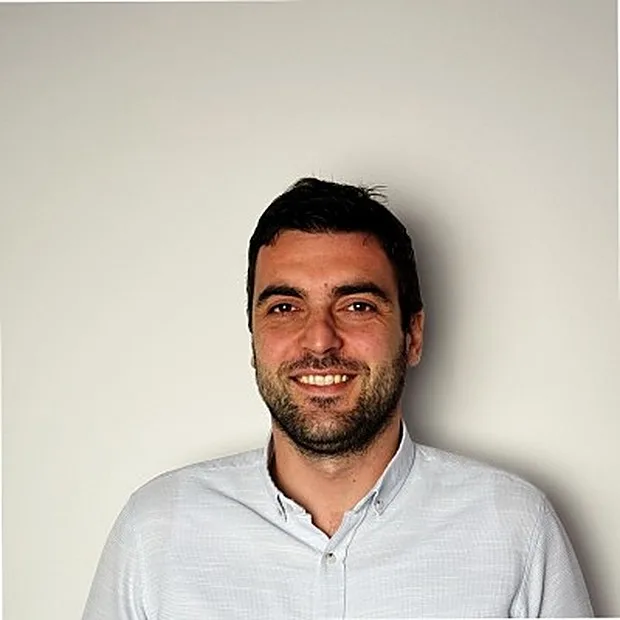
Dr. Josip Bešlić
He taught for more than a decade, including at the Fra Grge Martića Grammar School in Posušje, before turning the family's learning method into an international network of centres. He leads program development and the International SuperClever Olympiad.
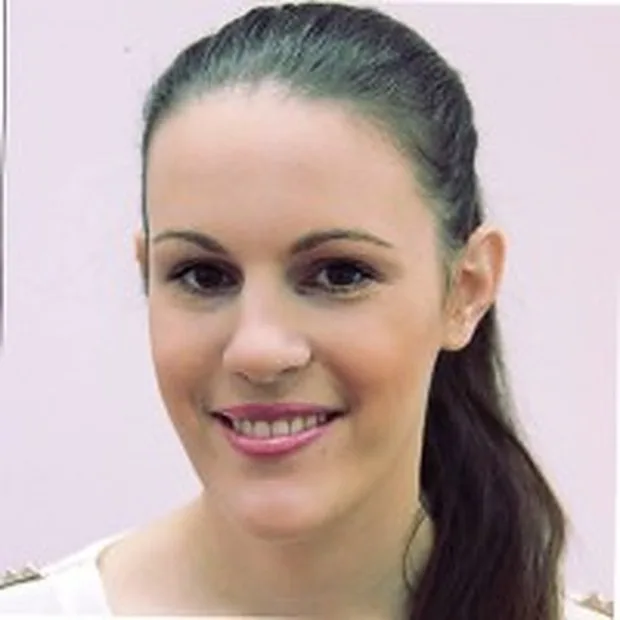
Dr. Ana Bešlić
An educator and researcher in mathematics education. She leads curriculum development and research — every program is tested, measured and improved. Her published work examines how technology affects real learning outcomes in children.
Artificial Intelligence in Elementary Math Education: Analyzing Impact on Students' Achievements
Inside a lesson
60 minutes in which nobody sits still
The teacher does not perform the experiment for the children — the children run it. Every lesson follows the same rhythm, and for each experiment the teacher has a minute-by-minute plan, games and a fix for everything that can go wrong.
"Can water be heavier than water?" Children guess first — with the book closed.
Children measure, count out loud and set up the materials themselves. This is where most of the learning happens.
They come up one by one to add their step. Everyone gets their moment.
A variation of the experiment where children test their own guess.
They write down what happened and why — in their own words.
Why children remember it
- ✓ They guess first, then check — a wrong guess is part of the experiment
- ✓ Everything is hands-on; the teacher guides, never takes over
- ✓ Every experiment explains why, not just what
- ✓ 38 experiments can be repeated at home with a parent
- ✓ They take the result home — slime, dough, a volcano, a secret message
Experiments 53 and 54: under the microscope, the first slipper animals appear in a drop of jar water.
Safety is decided in advance, not improvised
Of the 54 experiments, 38 are safe to do at home with a grown-up, and 16 run in the centre only — fire, dry ice or stronger chemicals, always with a teacher, safety goggles and the prescribed equipment. The label sits next to every experiment in the book, so parents always know what their child may repeat at home.
For franchise partners
The program arrives finished — teacher's manual included
SuperLab is more than a children's book. It comes with a 119-page syllabus and teacher's manual: for each of the 54 experiments there is a minute-by-minute lesson plan, suggested games and a list of things that can go wrong with the fix — what to do when the layers mix, when the sugar will not dissolve, when the experiment simply fails.
- ✓ 43 prepared 60-minute lessons — a full year plan
- ✓ Games and variations for a group of ten children
- ✓ Materials list per experiment and sourcing notes
- ✓ The book in English and Croatian, print-ready
Your child's first experiment is on us
Come to a free trial class — your child goes home with something they made themselves.